Case study · Integrated campaign · NFL · 2025
The amplification finding: NFL My Cause My Cleats 2025
I ran the publishing program behind 13 NFL player stories. After the campaign, the analysis I produced showed that the four stories the NFL posted drove 98.1% of the program’s 14.1M organic views. The finding changed how the next cycle was planned.
In brief
- Role
- Ran the master publishing plan across five channel types; wrote and adapted the copy; designed the reusable package; tracked tags, live links, and partner responses; built the post-campaign analysis.
- Key decisions
- One reusable package for all 13 stories, early attention to the channels most likely to seed reach, and a post-campaign analysis of what separated the stories.
- Selected result
- Four of 13 stories drew 98.1% of the program’s 14.1M organic views, and the difference was which ones the league posted. The next cycle considered likely league and team interest earlier.
The campaign, the problem
My Cause My Cleats is the NFL’s annual cause campaign. For 2025, Stand Together and Freethink produced documentary-style stories about 13 players and the causes they back. Each story had to travel through a network nobody fully controlled: league channels, team channels, the players’ own accounts, partner nonprofits, earned media, and the brand’s owned social, all moving on different timelines under different approval chains, inside a compressed league-driven window. A story could be excellent and still go nowhere if the network didn’t activate in the right order.
My role
I ran the master publishing plan across five channel types for all 13 stories. I wrote and adapted the copy, designed the reusable package, maintained the view that tracked tags, live links, and partner responses, and produced the post-campaign analysis. Film production, partnerships, and paid media sat elsewhere on the team.
Three decisions that mattered
- One reusable packaging template. Headline options, platform copy, thumbnail direction, descriptions, and hashtags were built once and adapted per story, so 13 stories shipped at one quality bar instead of becoming 13 one-offs.
- Sequencing weighted toward the channels most likely to seed reach, with follow-up pushes for channels that hadn’t activated within the expected window, visible because activation was tracked in one place.
- An analysis of what separated the stories. I looked past the campaign total and asked which input determined what each story received.
The copy itself
One example from the 13: the Jonathan Allen story, partnered with CarePortal, a platform connecting real-time needs of families in crisis to community members. Headline options I wrote for the published YouTube release:
Jonathan Allen lived in foster care. Here’s how he’s backing foster families | My Cause My Cleats
Jonathan Allen grew up in foster care. Now he’s joined the fight to keep families together | My Cause My Cleats
Why Jonathan Allen backs this community-powered tool keeping families together | My Cause My Cleats
Authored copy from the published campaign package: player’s lived stake first, cause mechanism second, brand nowhere in the headline. The full package carried thumbnail text, platform descriptions, and per-network adaptations built on the same template.
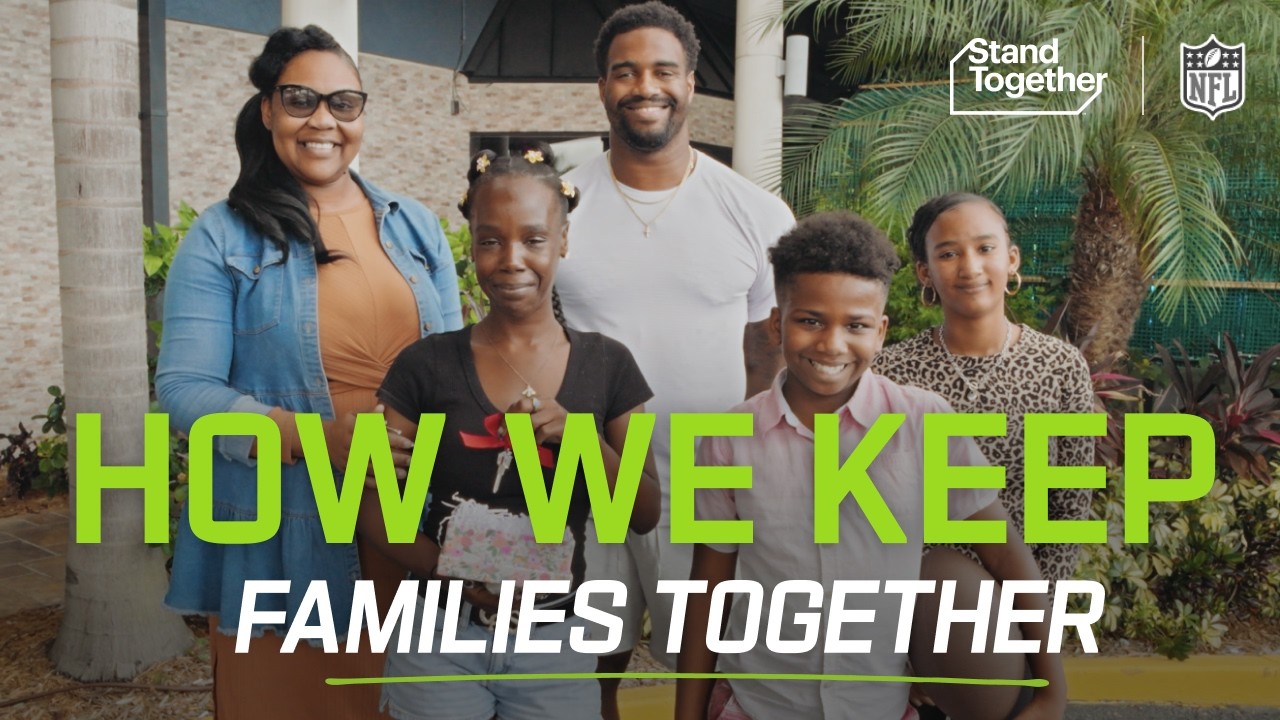 Why Jonathan Allen backs this community-powered tool keeping families together | My Cause My Cleats
Results, with their real shape
The organic program generated 14.1M views and 336K engagements across 63 placements. But the campaign’s own structure is the honest headline. Whether the league posted a story, and not how good the story was, decided its scale, and the effect is close to total: the four stories the NFL posted drew 98.1% of all organic views. Two more were picked up by a team but not the league, and landed at 1.8% between them. The remaining seven were never posted by the league or a team at all, and drew 884 views combined. Where the content did land, it landed well: campaign social listening measured 82% strongly positive sentiment, and Stand Together–tagged content engaged at 4.1% against 1.5% for the broader campaign. Counting earned media and broadcast placements that extended beyond my role on the project, the campaign-wide total reached 17.6M organic views.
| Who posted the cutdown | Stories | Organic views | Share |
|---|---|---|---|
| The NFL | 4 | 13,866,526 | 98.1% |
| A team, but not the league | 2 | 260,603 | 1.8% |
| Neither | 7 | 884 | 0.006% |
What the analysis could not settle
The analysis identified what separated the highest-reach stories. It did not make league pickup predictable. Timing, team or league interest, and partner readiness still mattered, so I treated outside sharing as something to plan for, not a promise.
What changed next
A story could resonate with the people who saw it and still reach very few people. I recommended considering league and team interest before production, putting more packaging effort behind stories likely to get picked up, and building a real plan B for the others. That changed how the next cycle was planned.
This is the campaign-scale version of a question that comes up every week: who else has to participate for this story to reach its audience, and what do they need from us? The article-to-social process applies that question to everyday editorial work, where the partner might be a small nonprofit rather than a league.
Before this: the 2024 cycle
The previous year, I had seen the same pattern across only three stories. Rachaad White posted and pinned his cutdown, the Buccaneers reshared it, and separate partner posts drew 192,900 views. Demario Davis’s story reached 515,900 through separate posts after the NFL picked it up. The Steelers liked Miles Killebrew’s Instagram post and uploaded nothing, leaving his separate-post count at zero. Three stories gave me a suspicion; thirteen made the pattern measurable. Read the full 2024 case →